
Whirlpool Dryer Appliance Repair: Must-Know Tips for Easter
Welcome to our essential guide for Whirlpool dryer appliance repair. As Easter approaches, it’s the perfect time to ensure that your dryer is in optimal working condition. A properly functioning dryer is essential for efficient laundry routines, especially during busy holiday seasons. In this blog, we will explore key components and functions of Whirlpool dryers, including washer dryer combos, common issues that can affect their performance, and DIY troubleshooting tips. We will also discuss when it’s time to call for professional Whirlpool appliance repair services. By following our tips and tricks, you can maximize your dryer’s efficiency and keep it running smoothly for years to come.
Understanding Your Whirlpool Dryer: Key Components and Functions
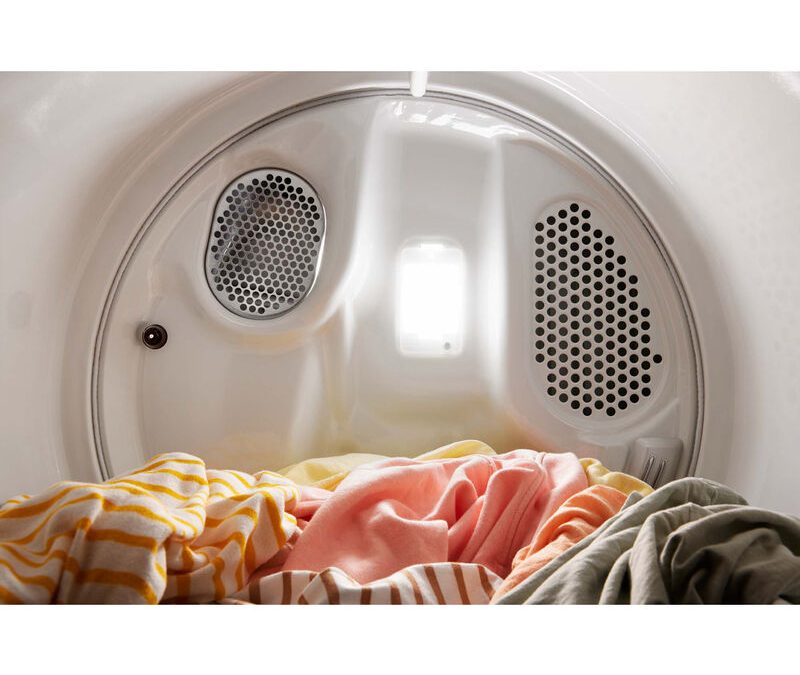
Whirlpool dryers are known for their reliability and innovative features. To better understand your Whirlpool dryer and how it functions, it’s important to familiarize yourself with its key components. The heating element is responsible for generating the heat that dries your clothes. It is essential for a properly functioning dryer. Other important components include the drum, belt, thermostat, and vent system.
The drum rotates your clothes for drying, with the heating element providing heat. A belt connects the drum to the motor for rotation. Over time, the belt may wear out, affecting rotation and drying efficiency. The thermostat regulates dryer temperature to prevent overheating. Proper airflow is crucial for the vent system, which includes the lint trap collecting debris. Regular cleaning prevents clogs and fire hazards. Check and replace the vent hose as needed for optimal performance.
Common Issues and How They Affect Your Dryer’s Performance
Several common issues can affect the performance of your Whirlpool dryer. Clogged lint traps and vents can cause overheating and potential fire hazards. Worn or broken drum belts can impact rotation and drying efficiency. Malfunctioning heating elements can result in damp or cold clothes after a cycle. Faulty thermostats can lead to inconsistent temperatures and longer drying times. Understanding these issues can help you troubleshoot and resolve them effectively.
DIY Troubleshooting for Common Whirlpool Dryer Problems
While some dryer issues may require professional repair, there are several common problems that you can troubleshoot and fix on your own. In this section, we will provide step-by-step guides and practical tips for dealing with common Whirlpool dryer problems. From fixing a dryer that won’t start to identifying the culprit behind a dryer that doesn’t heat, we’ll help you become a DIY dryer repair expert this Easter.
Dealing with a Dryer That Won’t Start: Step-by-Step Guide
If your Whirlpool dryer won’t start, there are a few steps you can take to troubleshoot the issue before calling for professional repair. Here is a step-by-step guide to help you:
- Check the power source: Ensure that the dryer is plugged in correctly and that the circuit breaker hasn’t tripped.
- Test the door switch: Make sure that the door switch is functioning properly by pressing it in and listening for a click.
- Check the thermal fuse: The thermal fuse is a safety device that can shut off power to the dryer if it overheats. Use a multimeter to test if the thermal fuse is blown and replace if necessary.
- Inspect the start switch: If the start switch is faulty, it may prevent the dryer from starting. Use a multimeter to test the continuity of the start switch and replace if needed.
By following these troubleshooting steps, you may be able to identify and resolve the issue causing your dryer not to start. However, if the problem persists, it’s recommended to seek professional repair services.
Fixing a Dryer That Doesn’t Heat: Identifying the Culprit
If your Whirlpool dryer is not producing heat, there are several potential culprits that you can investigate before calling for professional repair. Here are a few steps to help you identify the problem:
- Check the power source: Ensure that the dryer is receiving power, and the circuit breaker is not tripped.
- Inspect the heating element: The heating element is responsible for generating heat. Use a multimeter to test if the heating element is working properly and replace it if necessary.
- Clean the lint trap and vent: Clogged lint traps and vents can obstruct airflow and affect drying performance. Clean the lint trap and vent to ensure proper airflow.
- Test the thermostat: A faulty thermostat can prevent the dryer from reaching the desired temperature. Use a multimeter to test the continuity of the thermostat and replace if needed.
By following these steps, you can troubleshoot and resolve the issue of a dryer that doesn’t heat. However, if the problem persists, it’s best to consult a professional for further assistance.
Solving the Mystery of a Noisy Dryer: Practical Tips
If your Whirlpool dryer is making unusual noises, it can be a cause for concern. However, identifying and resolving the source of the noise can often be a simple DIY repair. Here are a few practical tips to help you solve the mystery of a noisy dryer:
- Check for loose or damaged parts: Inspect the drum, belt, and other components for any looseness or damage. Tighten or replace as necessary.
- Clean the drum and dryer interior: Over time, debris can accumulate in the drum and interior, causing noise. Clean the drum and interior thoroughly to remove any dirt or objects.
- Lubricate moving parts: Apply a small amount of lubricant to the moving parts, such as the rollers and idler pulley, to reduce friction and noise.
- Level the dryer: If the dryer is not level, it can cause vibrations and noise. Use a leveling tool to adjust the legs until the dryer is stable and level.
By following these tips, you can often resolve the issue of a noisy dryer. However, if the noise persists or worsens, it’s recommended to seek professional repair services.
Whirlpool Appliance Repair: Your Go-To for Professional Service
When it comes to professional Whirlpool dryer repair services, you can rely on the expertise and reliability of authorized service providers. Whirlpool understands the importance of prompt and efficient repairs to keep your appliances running smoothly. Here’s why Whirlpool Appliance Repair is your go-to for professional service:
- Expert technicians for all your repair needs: Our technicians are highly trained and well-experienced in repairing Whirlpool appliances. They have the knowledge and experience to diagnose and resolve a wide range of issues.
- Fast and reliable service for your Whirlpool appliances: We understand the inconvenience of a malfunctioning appliance and strives to provide fast and reliable repair service. We prioritize customer satisfaction and aim to minimize downtime.
- Convenient scheduling options for your busy life: We offer flexible scheduling options to accommodate your busy life. You can easily book an appointment online or over the phone at a time that works best for you.
- Affordable rates for top-notch repairs: We offer competitive rates for their professional repair services. We also provide professional discounts and special offers to make repairs more affordable.
By choosing Whirlpool Appliance Repair, you can have confidence in the expertise and reliability of authorized technicians. We prioritize customer satisfaction and aim to provide fast, reliable, and affordable repairs for your Whirlpool appliances with warranty on all repair and parts. Whether it’s a minor issue or a complex repair, we have you covered with our competitive sale prices. Also, we offer Whirlpool refrigerator repairs, Whirlpool cooktop repairs, Whirlpool dishwasher repairs, Whirlpool washing machine repairs, and other appliances of the Whirlpool brand in your exact location for new orders.
Pre-Easter Maintenance: Getting Your Dryer Ready
Before the Easter festivities begin, it’s important to ensure that your Whirlpool dryer is ready to handle the increased laundry load. In this section, we will provide essential pre-Easter maintenance tips to keep your dryer running smoothly and efficiently. By following these tips, you can maximize your dryer’s performance and avoid any potential issues during the busy holiday season.
Cleaning the Lint Trap: A Must-Do for Efficiency
Cleaning the lint trap is a crucial maintenance task to ensure the efficiency of your Whirlpool dryer. A clogged lint trap can restrict airflow and lead to longer drying times. Here are a few tips to help you clean the lint trap effectively:
- Remove the lint trap: Locate the lint trap from detergents, usually located on the top or inside the dryer door, and remove it.
- Remove lint: Use your fingers or a lint brush to remove any lint or debris from the trap.
- Clean with water: Rinse the lint trap with water to remove any remaining lint or residue.
- Dry and replace: Allow the lint trap to dry completely before placing it back in the dryer.
Regularly cleaning the lint trap is a simple yet essential maintenance task to ensure the efficiency and safety of your Whirlpool dryer. By removing lint and debris from the trap, you can maintain proper airflow and reduce the risk of fire hazards.
Checking and Replacing the Vent Hose: Why It Matters
The vent hose plays a crucial role in maintaining proper airflow and preventing overheating in your Whirlpool dryer. Over time, the vent hose can become clogged or damaged, affecting the dryer’s performance. Here’s why checking and replacing the vent hose matters:
- Clearing obstructions: Check the vent hose for any blockages or kinks that may obstruct airflow. Clear any obstructions to ensure proper ventilation.
- Inspecting for damage: Examine the vent hose for any signs of wear or damage, such as cracks or tears. If the vent hose is damaged, it should be replaced to maintain optimal performance.
- Proper installation: Ensure that the vent hose is properly installed and securely connected to the dryer and the external vent. Proper installation prevents air leaks and ensures efficient airflow.
Regularly checking and maintaining the vent hose is essential for the safe and efficient operation of your Whirlpool dryer. By ensuring proper airflow, you can maximize drying efficiency and reduce the risk of overheating.
Lubricating moving parts
Proper lubrication of moving parts, such as water filters, ice filters, refills, and compactors, is an important maintenance task to keep your Whirlpool dryer running smoothly. Over time, the moving parts, such as the rollers and idler pulley, can become dry or worn, resulting in increased friction and noise. Here’s how to lubricate the moving parts of your Whirlpool dryer:
- Unplug the dryer: Before lubricating the moving parts, unplug the dryer from the power source for safety.
- Access the moving parts: Remove the front or back panel of the dryer to access the rollers and idler pulley.
- Apply lubricant: Use a lubricating oil or grease specifically designed for appliances to lubricate the rollers and idler pulley. Apply a small amount to each part.
- Rotate the parts: After lubricating, manually rotate the rollers and idler pulley to distribute the lubricant evenly.
Regularly lubricating the moving parts of your Whirlpool dryer can reduce friction, noise, and wear, ensuring smooth operation and extending the lifespan of your appliance. Consult the manufacturer’s instructions or a professional for specific lubrication recommendations.
Replacing worn out belts or pulleys
When dealing with a Whirlpool dryer that requires replacing worn-out belts or pulleys, precision is key. Start by disconnecting power and gaining access to the components. Identify the worn-out parts by inspecting for fraying or visible damage. Secure the replacement belts or pulleys and carefully install them following the manufacturer’s guidelines. Once replaced, test the dryer to ensure proper function and smooth operation. Regular checks and prompt replacements can extend your dryer’s lifespan and maintain optimal performance.
Conclusion
Regular maintenance and prompt repairs are essential for the optimal performance of your Whirlpool home appliances. By understanding its key components and functions, troubleshooting common issues, and scheduling professional repairs when needed, you can ensure a longer lifespan for your appliance. Don’t forget pre-Easter maintenance to keep your dryer in top shape. For more tips and tricks on Whirlpool dryer repair and maintenance, check our comprehensive guide: Gleaming Green: Tips to Keep Your Whirlpool Dryer Running Smoothly. Remember, a well-maintained appliance not only saves you time and money but also prevents potential hazards.
Frequently Asked Questions
How Often Should I Clean My Lint Trap to Prevent Fire Hazards?
Like your microwave, freezer, and hoods, to prevent fire hazards, it’s recommended to clean the lint trap before or after every use. Regular cleaning of the lint trap helps maintain proper airflow and reduce the risk of lint buildup, which can lead to overheating and potential fire hazards.
Can I Replace My Vent Hose Myself, or Should I Call a Professional?
Replacing a vent hose can be a DIY repair task if you have the necessary knowledge and tools. However, if you’re unsure or uncomfortable with the process, it’s best to call a professional for assistance. Professional appliance repair services can ensure that the vent hose is properly installed and secure, preventing air leaks and maintaining optimal performance.
What Are the Signs That My Dryer Needs Professional Repair?
Some signs that indicate your dryer may need professional repair include persistent or recurring problems, electrical issues, or complex repairs such as control board replacements. If you’re unsure, it’s best to consult a professional appliance repair service to diagnose and resolve the issue.
How Can I Extend the Life of My Whirlpool Dryer?
To extend the life of your Whirlpool dryer, regular maintenance is key. Clean the lint screen after every use and remove any accumulated lint from the dryer vent. Avoid overloading the dryer as it can strain the motor and affect its performance. Schedule professional maintenance checks to ensure optimal functioning.