
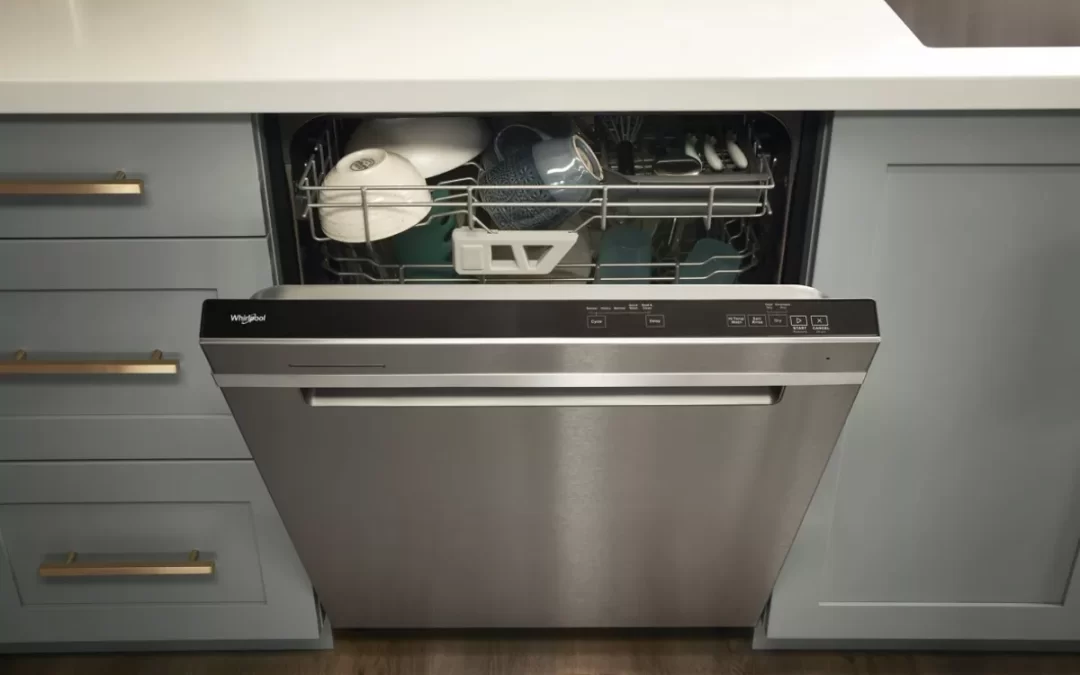
Whirlpool Dishwasher Not Heating? Here’s What to Do
Dishwashers are a modern convenience that we all love. They save us time and effort, but what happens when your Whirlpool dishwasher suddenly stops heating? This can be a frustrating experience, especially if you’re not sure what the problem is or how to fix it. In this article, we will go over everything you need to know about Whirlpool dishwasher not heating, from understanding the basics of a dishwasher’s heating cycle to identifying common reasons why your Whirlpool dishwasher may not be heating. We will also provide you with some simple troubleshooting steps you can take to identify the problem and get your dishwasher up and running again, so you can stay on top of dish duty. And finally, we’ll discuss when it’s necessary to call in a professional for repair and how Whirlpool Appliance Repair can help get your machine back in working order.
Understanding the Basics of a Dishwasher’s Heating Cycle
The heating cycle in a dishwasher plays a crucial role in ensuring dishes are properly cleaned and sanitized. By using high temperatures, the dishwasher aids in breaking down grease and grime, providing efficient cleaning results. Understanding this process, also known as the dishwasher cycle, can help troubleshoot issues related to dishes not drying properly after a cycle. By comprehending how the heating cycle operates within the dishwasher, users equip themselves with valuable knowledge to maintain their appliances effectively.
Essential Role of Heating in Dishwashing
Efficient heating in dishwashers plays a vital role in expediting the drying phase after the wash cycle. It is crucial for maintaining hygienic standards by ensuring dishes are thoroughly cleaned and dried. The heating element facilitates the evaporation of surplus water, contributing to spotless and sanitized dishes. Moreover, proper heating helps prevent water spots and streaks, enhancing the overall cleanliness of the dishes.
Typical Dishwasher Heating Process
When the dishwasher completes the wash cycle, the heating process kicks in to dry the dishes efficiently by evaporating any remaining water. This essential step eliminates residual moisture, preventing water spots or marks on the dishes. Proper execution of the heating phase, including selecting a Heat Dry or Extended Heat Dry setting, ensures impeccable dishwashing results, leaving the dishes dry and clean.
Common Reasons Why Your Whirlpool Dishwasher May Not Be Heating
There are several possible reasons why your Whirlpool dishwasher may not be heating. Here are a few common causes to consider:
Faulty Heating Element
When the heating element malfunctions, it hinders proper heating in the dishwasher, impacting drying performance. This issue can lead to dishes not drying thoroughly, causing incomplete drying cycles. The heating element’s functionality is vital for the dishwasher to operate effectively.
Broken Thermostat
When the thermostat malfunctions, it can disturb the dishwasher’s heating process, causing inconsistent temperature regulation. This issue not only affects the efficiency of the heating cycle but also compromises the overall performance of the dishwasher. An improperly functioning thermostat may lead to irregular heating patterns, impacting the quality of dishwashing results. In dishwashers, a properly working thermostat is crucial for maintaining optimal heating performance.
Malfunctioning High Limit Thermostat
When the high limit thermostat malfunctions, it can disrupt the heating balance of the dishwasher, causing temperature irregularities. This issue may lead to overheating or underheating during wash cycles and impact the overall temperature control. Dysfunctional high limit thermostats result in unpredictable heating patterns, affecting the efficiency of the dishwasher. Ensuring that this component is operational is vital for maintaining safe and consistent heating levels, optimizing the dishwasher’s performance.
How to Identify Problems with Your Dishwasher’s Heating Element
Inspecting the heating element for any visible damages is the first step. Next, conduct a resistance test to check for proper functioning.
Visual Inspection for Damages
Upon examining the heating element, look for indications of wear, discoloration, or harm. Inspect for apparent fractures, splits, or scorch marks on the heating component. Search for any irregularities that hint at heating element damage. Observing the heating part visually aids in early issue detection. A detailed visual check can expose visible flaws in the heating component.
Conducting a Resistance Test
Conduct a resistance test to assess the heating element’s functionality accurately. Utilize a multimeter for precise resistance readings. Verify if the heating element operates within expected parameters through the resistance test. Gain insights into the heating element’s health using this method. Testing the resistance level provides a reliable assessment of the heating element’s operation.
What to Do When Your Whirlpool Dishwasher Stops Heating
When your Whirlpool dishwasher stops heating, consider checking the steps to reset the appliance. Utilize rinse aid for optimal performance and adhere to guidelines for proper dish loading. Remember, if professional repair becomes necessary, take note of indicators signaling the need for expert help in resolving the issue. By understanding these troubleshooting tips and knowing when to seek professional assistance, you can effectively address heating problems in your Whirlpool dishwasher. Look out for potential issues like a faulty heating element or thermostat, which can be tested for continuity with a multimeter to measure voltage, to ensure your dishwasher operates efficiently.
Steps to Reset Your Dishwasher
Resetting a dishwasher can be a simple process that helps troubleshoot issues and restore optimal performance. Begin by powering down the dishwasher and unplugging it for a short duration to allow the system to reset. Next, follow the manufacturer’s instructions to press the designated buttons on the control panel to initiate the reset process. It is advisable to run a test cycle after resetting to ensure that the heating function is working correctly. For model-specific guidance and detailed steps, always refer to the user manual provided by the manufacturer. The reset option is designed to clear error codes and recalibrate the dishwasher, ensuring smooth operation and efficient cleaning cycles.
When to Use a Rinse Aid
Rinse aid is a crucial component in achieving maximum drying efficiency and superb results in every wash cycle. By incorporating rinse aid into your dishwashing routine, you can significantly enhance the overall performance of your dishwasher. Not only does rinse aid help to ensure spotless glassware, but it also plays a key role in preventing water spots on dishes, leaving them sparkling clean and streak-free. For even better results, consider using a fingerprint resistant dishwasher with a 3rd rack and large capacity.
Properly dispensing rinse aid is essential for optimal results. This specialized detergent additive works by reducing the surface tension of water, allowing it to sheet off dishes and glassware more effectively during the drying cycle. As a result, your dishes come out dry and gleaming after each wash, without any unsightly water spots or residue.
To make the most of your dishwasher and achieve impeccable cleaning results, be sure to add rinse aid to your washing routine. This simple yet effective step can make a world of difference in maintaining the cleanliness and shine of your dishes and glassware with each wash cycle.
Guidelines on Proper Dish Loading
When loading dishes in your dishwasher, ensure proper placement for optimal cleaning efficiency. To avoid issues, do not overcrowd the dishwasher, allowing water to circulate evenly during the wash cycle. Utilize the designated loading zones within the dishwasher to maximize space and cleaning performance. Securely position glassware to prevent breakage and follow the manufacturer’s recommendations for arranging dishes inside the appliance. Additionally, it is important to regularly clean your dishwasher with a dishwasher cleaner to prevent any buildup or odor.
When Professional Repair is Necessary
Indicators of the necessity for professional help in dishwasher repair include identifying issues beyond basic troubleshooting tips. Advanced problems like malfunctioning components such as the water heater may require expertise. Professional technicians can diagnose faults in major appliances like dishwasher door or new control board replacements efficiently. Their skills extend to repairing vent fans that regulate steamy air during the dry cycle. Recognizing when to seek professional assistance ensures optimal dishwasher performance and longevity, especially when dealing with complex components.
Indicators That You Need Professional Help
If your dishwasher consistently fails to heat up or if you encounter recurring heating element issues, seeking professional assistance is crucial. Complex control panel problems also warrant the expertise of professionals. Additionally, irregular drying cycles or issues with the water supply should prompt you to consult experts for a thorough diagnosis and repair. By reaching out to professionals, you ensure accurate resolution of issues without compromising the functionality of your dishwasher’s water supply.
How Whirlpool Appliance Repair Can Help
Seeking professional assistance for your Whirlpool appliance can provide expert solutions for diagnosis and repair needs. Skilled professionals specialize in effectively troubleshooting heating issues, including control board malfunctions. Opting for Whirlpool appliance repair ensures reliable service to restore your dishwasher’s heating functionality efficiently. Entrusting the task to experts can significantly enhance the performance of your washer without the hassle of DIY troubleshooting. Rest assured, professional repair services can address the specific needs of your appliances with precision and expertise.
Frequently Asked Questions
Is there anything I can do to prevent my Whirlpool dishwasher from losing heat during the wash cycle?
To maintain heat in your Whirlpool dishwasher, inspect the heating element for damage. Avoid overloading to ensure proper heat distribution. Start with hot water for consistent temperature and keep the dishwasher clean from debris for efficient heat flow.
How often should I have a professional technician service my Whirlpool dishwasher to avoid heating issues?
It is advisable to schedule an annual professional service for your Whirlpool dishwasher. Regular maintenance can prevent heating issues, ensuring optimal performance. Technicians will inspect and clean crucial components like the heating element and thermostat, extending your appliance’s lifespan.
Are there any common reasons why the dishes may not be getting clean in addition to the lack of heat?
When dishes aren’t clean, factors beyond heat may be to blame. Insufficient water pressure or temperature can affect cleaning. Clogged filters hinder water flow, overloading prevents circulation, and wrong detergent usage leads to poor results.
Can I still use my Whirlpool dishwasher if it’s not heating up properly?
Using a malfunctioning Whirlpool dishwasher without proper heating isn’t advisable. Ineffective heating may compromise dish sanitization, resulting in poor cleanliness. Address the heating issue promptly to ensure optimal dishwasher performance.
Conclusion
If your Whirlpool dishwasher is not heating, there could be several reasons behind it. The heating element may be faulty, the thermostat might be broken, or the high limit thermostat could be malfunctioning. To identify the problem, visually inspect the dishwasher for any damages and conduct a resistance test.
If you’ve determined that your dishwasher is not heating properly, there are a few steps you can take to try and resolve the issue. First, try resetting your dishwasher. If that doesn’t work, using a rinse aid and following proper dish loading guidelines may help improve heating performance.
However, if your efforts don’t yield positive results, it might be time to seek professional Whirlpool dishwasher repair. Look out for indicators like persistent heating issues or unusual noises. Whirlpool Appliance Repair can provide the expertise and assistance needed to get your dishwasher heating properly again. For more information on dishwasher troubleshooting, check out our website for more insightful blogs!